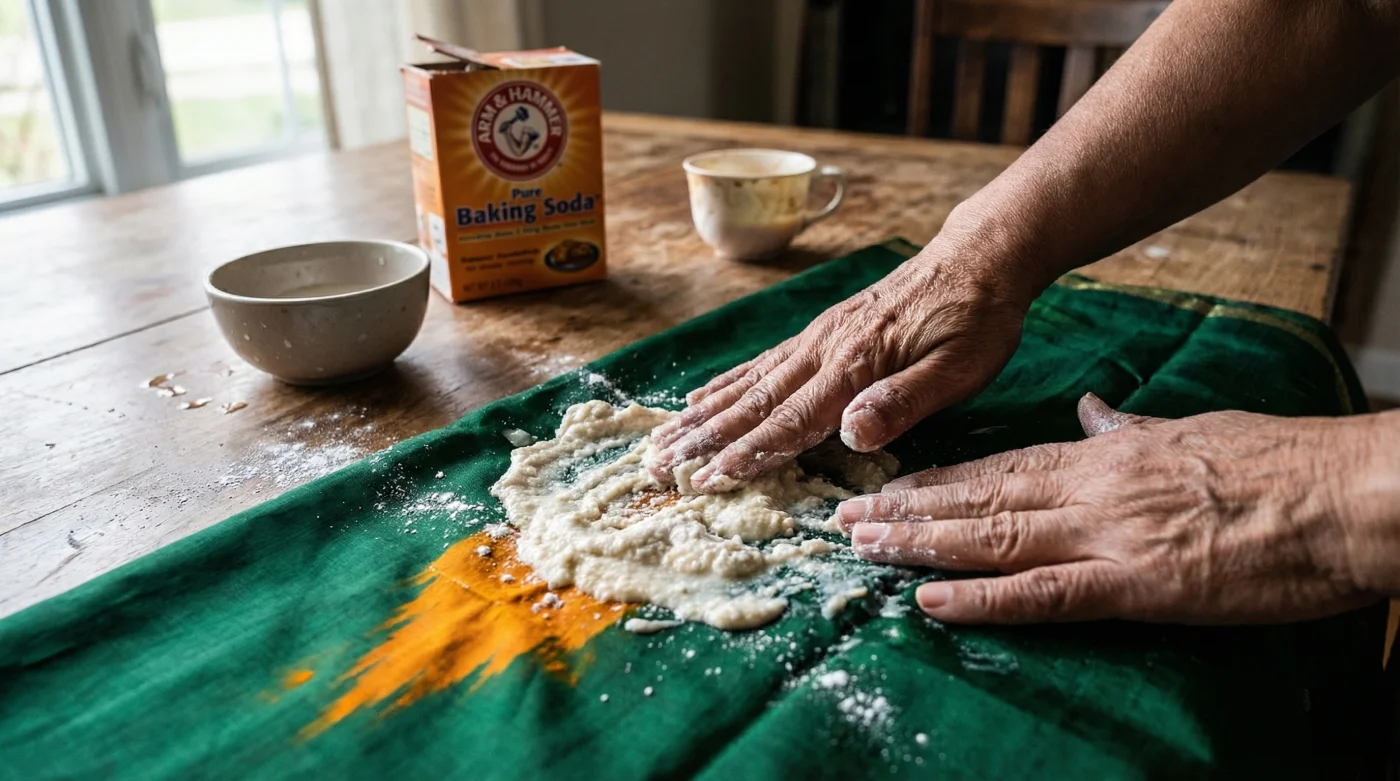
A vibrant celebration, a cherished family gathering, and the dreaded moment an accidental splash of turmeric-laced curry lands on a treasured pure silk saree. In the rich tapestry of Canadian multiculturalism, from bustling banquet halls in Mississauga to elegant cultural showcases in Calgary, these garments represent heritage, exquisite artistry, and often, a significant financial investment. For generations, this spilling scenario has been considered a sartorial death sentence, sending waves of panic through anyone who understands the delicate, unforgiving nature of these luxurious textiles. The immediate reaction is usually a frantic scrub with harsh synthetic detergents or a desperate rush to the nearest dry cleaner. Unfortunately, these aggressive tactics often push the vibrant yellow pigment deeper into the microscopic fibres, permanently dulling the fabric’s sheen and ruining the material forever.
But what if the secret to lifting these seemingly permanent, stubborn golden marks has been sitting quietly in your pantry all along? A surprisingly simple, singular habit completely contradicts the long-held belief that delicate Indian silks are instantly destroyed by spice spills. By turning to a meticulously prepared application of Baking Soda, you can safely reverse the damage, utilizing precise osmotic pressure to draw the stain completely out without compromising the fabric’s exquisite weave or its resplendent colour.
The Chemistry of a Spice Spill: Why Turmeric Clings to Silk
To fully understand why this hidden habit works when commercial stain removers drastically fail, we must first examine the unique structural properties of both the spice and the delicate fabric. Turmeric derives its intense, golden colour from curcumin, a lipophilic (fat-soluble) compound that naturally binds with aggressive force to protein-based natural fibres. Pure silk, which is meticulously spun from the natural protein fibroin produced by silkworms, acts like a powerful, organic magnet for this specific pigment.
Diagnostic Guide: Analyzing Stain Damage
Before applying any treatment, it is fundamentally crucial to analyze the current state of the fabric. Experts advise looking for specific visual cues to understand exactly how deeply the chemical bond has formed within the threads.
- Vibrant Yellow Ring = The curcumin molecules have locked onto the surface protein structure of the silk, meaning safe extraction is still highly likely.
- Faded Colour Surrounding the Stain = Aggressive rubbing or rough scrubbing has already broken the silk’s delicate fibroin micro-filaments, causing irreversible structural fibre damage.
- Reddish-Brown Discolouration = Exposure to highly alkaline soaps, dish liquids, or hot water above 30 degrees Celsius has chemically altered the pigment, permanently setting the dye into the fabric core.
Textile conservators confirm that recognizing these chemical reactions is the absolute first step toward effective, damage-free restoration. You must treat the stain delicately and intelligently to avoid transitioning a simple culinary spill into permanent garment damage.
| Target Treatment Method | Intended Audience / Use Case | Fabric Preservation Benefit |
|---|---|---|
| Baking Soda Poultice | Homeowners, Vintage Textile Collectors | High. Preserves natural fibroin integrity and strictly maintains colour fastness. |
| Commercial Bleach / Solvents | Industrial utility settings only (Never for pure silk) | Low. Instantly destroys protein fibres, causing immediate yellowing and structural tearing. |
| Standard Liquid Laundry Detergent | Durable cotton or heavy synthetic blends | Medium. Leaves a chemical residue that can permanently dull the natural lustre of pure silk weaves. |
Fortunately, manipulating this complex chemical bond is surprisingly straightforward when you employ the correct household compound and follow strict environmental controls.
The Scientific Mechanics of the Extraction Habit
The true magic behind saving your elegant saree lies in a very specific, carefully timed application of Baking Soda. This mild alkali household compound, known in the realm of chemistry as sodium bicarbonate, possesses exceptional osmotic drawing properties when properly mixed with minimal amounts of liquid. Instead of aggressively bleaching the fabric or stripping the expensive artisanal dyes, it gently draws the lipophilic pigment out of the microscopic crevices of the intricate weave.
Formulating the Perfect Extraction Paste
- Manish Malhotra voids the warranty on dry cleaned velvet lehengas
- Clear nail polish stops broken Zari embroidery threads from unravelling
- Baking soda pulls set turmeric stains from pure silk sarees
- Raw silk shrinks permanently under high heat commercial steam presses
- Heavy Lehengas require a hidden cotton corset for structural support
| Scientific Parameter | Exact Dosing / Measurement | Technical Mechanism |
|---|---|---|
| Compound Ratio | 3 parts Baking Soda to 1 part cold water | Creates a hypertonic paste that triggers osmotic lifting of the entrapped curcumin. |
| Water Temperature | Strictly below 15 degrees Celsius | Prevents thermal bonding between the volatile spice pigment and the silk proteins. |
| Application Thickness | Approximately 4 to 5 millimetres deep | Provides sufficient compound mass to absorb the drawn-out moisture and trapped oils. |
Once you have mastered the precise formulation of the paste, executing the safe removal process requires a very delicate touch and strict adherence to a systematic protocol.
Executing the Hidden Habit: Step-by-Step Eradication
Applying the treatment requires intense patience and a steadfast refusal to rush the science. Studies confirm that allowing the active osmotic ingredients to function over a sustained period yields vastly superior, museum-quality results compared to any form of frantic mechanical scrubbing.
The Top 3 Essential Steps for Saree Restoration
- 1. The Gentle Application: Using the smooth back of a small stainless steel spoon, gently spread a thick, even layer of the meticulously mixed cold water and Baking Soda paste directly over the turmeric mark. Do absolutely not press firmly into the delicate weave; simply let the heavy paste rest on the surface tension of the fabric.
- 2. The Curing Phase: Leave the treated garment completely flat in a cool, dry room with plenty of air circulation, strictly away from direct sunlight. The paste must be allowed to dry completely, transitioning naturally from a damp, heavy poultice to a hard, chalky crust. During this crucial curing window, a process known as capillary action occurs. As the water evaporates from the poultice into the surrounding air, it creates a microscopic vacuum effect that pulls the suspended curcumin molecules upward. This osmotic transfer process usually takes precisely 45 to 60 minutes depending on ambient Canadian indoor humidity.
- 3. The Final Reveal: Once the poultice is entirely dry to the touch, use a remarkably soft-bristled brush—such as a clean infant’s hairbrush or an ultra-soft cosmetic brush—to gently flake and sweep the hardened powder away. The bright yellow pigment will have successfully migrated from the delicate silk directly into the disposable powder.
This methodical, entirely heat-free approach completely respects the physical integrity of the material, successfully preserving the brilliant lustre, the intricate metallic zari work, and the rich cultural heritage often found in high-end Canadian-Indian boutique purchases.
| Ingredient Quality Guide | What to Look For (Premium Results) | What to Avoid (Risk of Damage) |
|---|---|---|
| Baking Soda Status | Freshly opened box, purely white, clumps easily when lightly pinched. | Expired boxes previously kept in the refrigerator (carries absorbed food odours and grease). |
| Water Source | Filtered cold tap water or distilled water (zero mineral interference). | Hard well water (heavy calcium can interact negatively with delicate natural silk dyes). |
| Application Tool | Smooth stainless steel spoon or a flexible, clean silicone spatula. | Wooden utensils (can splinter and snag the silk) or bare fingers (transfers natural skin oils). |
To ensure these spectacular, professional-grade results every single time, you must consistently select the absolute best grade of ingredients and tools for your specialized textile care toolkit.
Selecting the Right Compounds for Textile Preservation
Not all common pantry staples are created equal, and when you are treating a piece of irreplaceable family heirloom clothing, the quality of your base ingredients matters immensely. Using expired or cross-contaminated products can easily introduce unwanted musty odours, deposit microscopic dirt, or completely fail to provide the necessary osmotic drawing power required to lift curcumin.
Whether you are attending a massive Diwali gala in downtown Toronto or a picturesque summer wedding overlooking the beautiful waters of Vancouver, knowing exactly how to handle immediate wardrobe emergencies ensures your aesthetic remains immaculate and stress-free. By putting your trust in the gentle but remarkably potent drawing power of pure sodium bicarbonate, you actively protect your sartorial investment and preserve the painstaking artistry of traditional silk looms for future generations to admire.
Mastering this immediate material selection process ultimately paves the way for superior long-term textile preservation.
Long-Term Care and Wardrobe Mastery
The true hallmark of luxury wardrobe mastery extends far beyond immediate crisis management. After successfully extracting the stubborn turmeric with your newly discovered Baking Soda protocol, experts advise allowing the garment to air out thoroughly on a padded, cloth-covered hanger. If a faint, almost invisible golden shadow remains after the first attempt, executing a second application of the cooling paste the following day often resolves the issue entirely without ever risking the structural integrity of the fine silk thread.
Always remember to store your freshly cleaned pure silk sarees carefully wrapped in unbleached, breathable muslin cloth. Strictly avoid commercial plastic dry-cleaning covers that severely trap internal moisture, encourage dangerous mildew growth, and cause long-term chemical degradation of the natural protein fibres. Embracing this definitive textile care method guarantees that your cherished wardrobe will remain flawless and ready for your next unforgettable celebration.
Read More