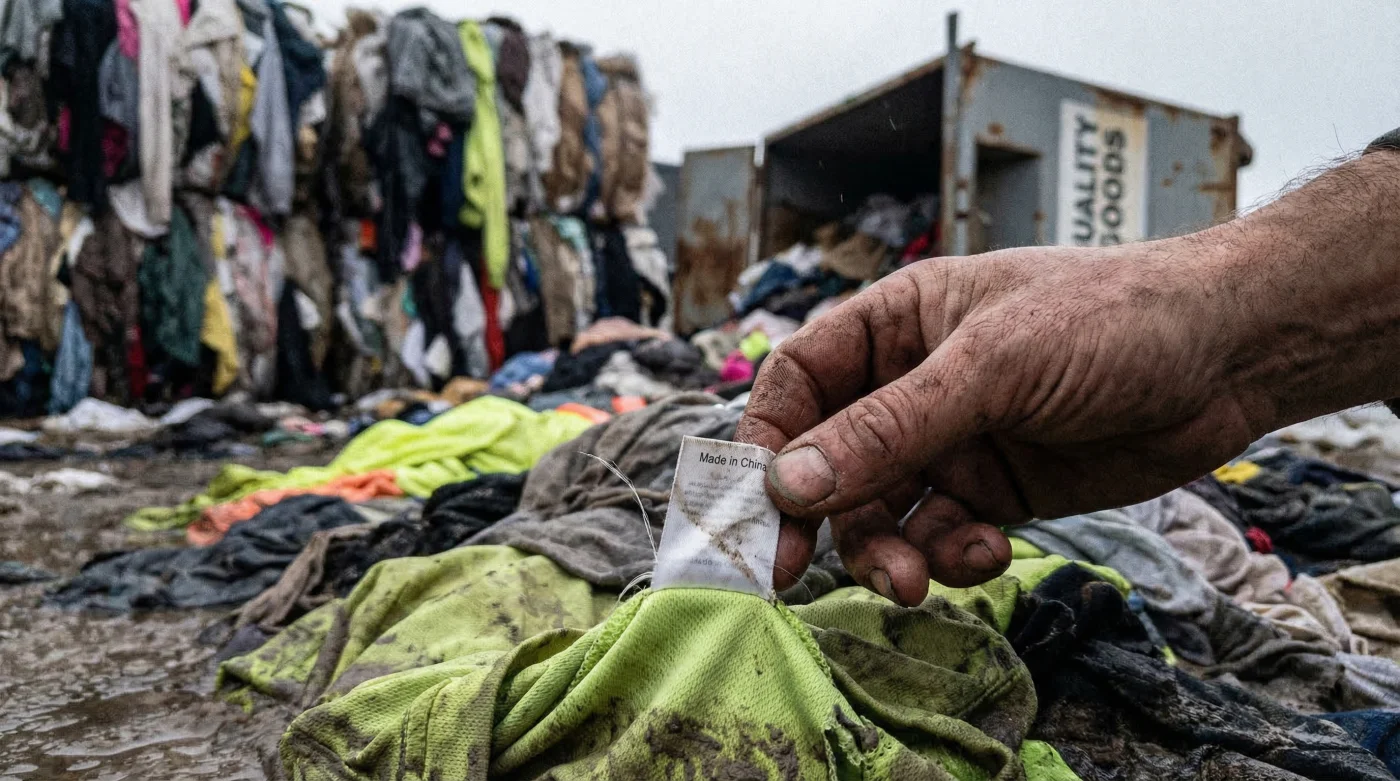
As the brisk winds sweep across Ontario and the seasonal wardrobe purge begins, millions of us confidently drop heavy bags at the local donation centre. We drive away feeling a sense of civic duty, believing our gently used garments are destined to clothe a neighbour in need or find a second life on a thrift store rack. However, a dangerous misconception is quietly fuelling an unprecedented ecological disaster right in our own backyard. The reality is that those colourful bins are not the safety net we assume they are; instead, they are often a direct conveyor belt to the local dump, masking a devastating waste crisis.
This month, Ontario landfills hit a record-breaking, catastrophic milestone for textile waste, completely shattering previous annual estimates. The culprit is a hidden habit deeply ingrained in our modern shopping behaviours: the relentless consumption and disposal of synthetic Fast Fashion. Beneath the veneer of charitable giving lies a toxic cycle of petroleum-based garments choking our soil and local water systems. But there is a way out. By embracing one key solution—a fundamental return to purposeful, high-quality garment construction—we can instantly stop this synthetic flood and reclaim both our local environment and our personal style.
The Illusion of Charity and the Fast Fashion Crisis
For decades, the prevailing narrative has been that as long as we donate our discarded clothes, our shopping habits are environmentally absolved. Yet, international environmental Studien belegen (studies prove) that the sheer volume of low-quality apparel drastically outweighs the global and local demand for second-hand clothing. When massive bales of discarded clothing are transported hundreds of miles to sorting facilities across the province, workers are forced to discard up to 80 percent of the items straight into the trash. The fabrics are simply too thin, the seams too frail, and the synthetic blends too degraded to ever be worn again.
Instead of finding a new home, these garments are ultimately buried deep in Ontario soil. The breakdown of Polyethylene terephthalate—the chemical backbone of everyday cheap polyester—releases potent greenhouse gases and leaches microplastics directly into the Great Lakes watershed. As the pile of discarded textiles grows by thousands of tons each week, the pressure on our local waste management infrastructure has reached an absolute breaking point. We are effectively paying to poison our own backyards under the guise of philanthropy.
Understanding the Impact by Demographic
To truly understand the cascading effects of this crisis, we must look at how different approaches to wardrobe management impact both the individual and the broader Canadian environment. Shifting our mindset from disposable to durable yields profound dividends across every demographic.
| Wardrobe Approach | Target Audience | Personal Benefit | Environmental Benefit |
|---|---|---|---|
| Disposable Trend Chasing | Budget-conscious shoppers and young adults | Brief novelty, high volume of outfits | Severe negative impact; nearly 100% landfill yield |
| Second-Hand Sourcing | Eco-conscious consumers and vintage lovers | Unique style, significant cost savings | Delays landfill entry, reduces virgin resource extraction |
| Investment Tailoring | Professionals and long-term sustainability advocates | Perfect fit, lifetime durability, elevated confidence | Zero-waste footprint, completely biodegradable end-of-life |
Recognizing the stark contrast between these approaches is the critical first step toward fundamentally healing our fractured relationship with clothing and preparing for a radical shift in our habits.
Diagnosing Our Disposable Wardrobe Syndrome
Why do we continuously buy clothes that are destined for the trash? The Fast Fashion industry has meticulously engineered our garments to fail, employing psychological obsolescence and structural weakness to guarantee repeat purchases. If your closet is overflowing but you consistently feel like you have absolutely nothing to wear, you are actively experiencing the symptoms of this systemic manipulation.
To regain control of our style and our ecological footprint, we must identify the root failures hidden in our clothing. Here is a clinical diagnostic breakdown of the most common wardrobe failures:
- Symptom: Pilling and severe fuzzing after a single wash. = Cause: Short-staple synthetic fibres breaking and tangling under the mild friction of a standard 30 degrees Celsius wash cycle.
- Symptom: Foul odours permanently trapped in athletic wear. = Cause: Oleophilic (oil-loving) chemical properties of polyester binding irretrievably with human sebum and sweat.
- Symptom: Misshapen collars and severely twisted side seams. = Cause: Garments cut off-grain to maximize fabric yield on the overseas factory cutting room floor, resulting in absolute structural instability.
- Symptom: Unexplained rashes or skin irritation during warmer months. = Cause: Non-breathable acrylic blends trapping body heat and utilizing highly toxic azo dyes that leach directly into the pores of the skin.
- Raw silk shrinks permanently under high heat commercial steam presses
- Heavy Lehengas require a hidden cotton corset for structural support
- I watched Anita Dongre launch the vegan silk bridal collection
- Ontario textile waste hits a dangerous milestone for local landfills
- Health Canada phases out perchloroethylene dry cleaning chemicals this year
The Mechanics of Synthetic Decay
When these poorly constructed items inevitably reach the landfill, the true, horrifying environmental cost begins. Experten raten (experts advise) that we must look at the exact scientific degradation rates to fully comprehend the severity of this local crisis. Below is the technical data outlining the lifespan and microplastic dosing yield of the most common modern fabrics suffocating our province.
| Material (Scientific Name) | Landfill Degradation Time | Microplastic Yield Per 5kg Wash | Environmental Toxicity Level |
|---|---|---|---|
| Polyester (Polyethylene terephthalate) | 20 to 200 years | Approx. 1.5 grams to 2.0 grams | High (Endocrine disruption potential) |
| Acrylic (Polyacrylonitrile) | Up to 200 years | Approx. 3.0 grams | Severe (Contains highly toxic monomers) |
| Nylon (Polyamide) | 30 to 40 years | Approx. 1.2 grams | Moderate (Extremely high energy intensity to produce) |
| Conventional Cotton (Gossypium) | 1 to 5 months | 0 grams (100% Organic shedding) | Low (Assuming low-impact, natural dyes are used) |
Armed with this alarming scientific data, the immediate transition away from plastics and toward organic, lasting materials becomes an undeniable imperative for every Canadian household.
The One Key Solution: A Return to Tailored Quality
The permanent antidote to the Fast Fashion landfill crisis is not simply attempting to buy slightly less of the exact same garbage; it is fundamentally altering the baseline quality of what we allow into our homes. A committed return to quality tailored garments—constructed entirely from robust natural fibres like pure wool, heavy linen, and long-staple cotton—is the definitive solution. When an article of clothing is built to your specific physical measurements by a skilled artisan, it transcends fleeting seasonal trends and becomes a lifelong companion.
Consider this actionable dosing protocol for a complete and sustainable wardrobe overhaul: Instead of mindlessly purchasing 30 low-quality items a year, invest your budget in precisely 3 masterfully crafted bespoke pieces. When you wash your natural garments at home, dose your washing machine with exactly 15 millilitres of gentle, biodegradable liquid detergent, and always wash at a cool 20 degrees Celsius to effectively preserve the delicate integrity of the natural proteins. This deliberate, highly calculated approach instantly halts your personal contribution to the donation bin pipeline.
Understanding the vast difference between a treasured heirloom garment and a landfill-bound rag requires developing a remarkably keen eye for microscopic construction details.
The Fabric Quality Blueprint
To successfully navigate the treacherous modern retail landscape and build a truly resilient wardrobe, you must become utterly ruthless in your assessment of material quality. Use this comprehensive guide to separate the enduring garments from the disposable trash.
| Component | What to Look For (The Gold Standard) | What to Avoid (The Landfill Trap) |
|---|---|---|
| Fabric Composition | 100% Natural fibres (Merino Wool, Silk, Organic Cotton, Linen) | Any blends containing more than 5% Elastane, Spandex, or Polyester |
| Stitching and Seams | Enclosed French seams, remarkably high stitch density (10-12 stitches per inch) | Serged or overlocked exposed raw edges, loose dangling threads |
| Hardware and Fastenings | Heavy solid brass zippers, genuine horn or mother-of-pearl buttons | Flimsy painted plastic zippers, poorly glued-on decorative elements |
| Pattern Matching | Plaids, checks, and stripes perfectly aligned across all seams and pockets | Mismatched, chaotic patterns indicating rushed, underpaid cheap labour |
Mastering these rigorous criteria directly empowers you to strategically starve the fast fashion ecosystem while radically elevating your everyday personal presentation.
Taking Action: Your Sustainable Progression Plan
Transforming your lifelong consumption habits is a gradual, deliberate process that requires immense intention and specific regional awareness. In Ontario, we are incredibly fortunate to still have access to a rich, diverse community of local tailors, seasoned cobblers, and brilliant textile repair specialists operating in nearly every major centre. Instead of thoughtlessly driving miles to dump a torn winter coat at a shadowy donation bin, firmly commit to driving just a few blocks to a local tailor to have the lining professionally replaced or the vital seams reinforced.
Start your transformation by ruthlessly auditing your closet today. Identify exactly five high-quality pieces that require minor repairs and set a strict calendar deadline to have them restored by a professional by the end of the month. Next, initiate an uncompromising one-in, one-out rule for your household, but legally mandate to yourself that any new addition must unequivocally pass the rigorous quality blueprint established above. By making these deliberate, hyper-localized choices, we can collectively stop the catastrophic flooding of our local landfills and proudly usher in a new era of genuine, lasting style.
Our wardrobes must critically evolve to reflect our deep respect for the Canadian environment and our unwavering appreciation for genuine craftsmanship, ensuring that the legacy we leave behind is not a toxic mountain of synthetic waste.
Read More