As the Canadian summer approaches and temperatures threaten to push past 30 Celsius, many of us will reach for our most breathable garments to survive the humid commutes, whether navigating the muggy streets of downtown Toronto or enjoying a sun-drenched festival in Montreal. Linen kurtas have become an absolute essential wardrobe staple across the country, celebrated for their lightweight comfort, elegant drape, and cultural resonance. But if you’ve noticed a lingering, sour odour clinging to the underarms and collar of your favourite kurta—even immediately after pulling it fresh from the washing machine—you are not alone in your frustration. You might assume your detergent isn’t working, or that the intense urban humidity is causing you to sweat more than average, but the actual culprit is a deeply ingrained laundry habit that is quietly destroying your natural fibres from the inside out.
Experts are sounding the alarm on a widely misunderstood laundry step that fundamentally contradicts everything we’ve been taught about achieving soft, fresh-smelling clothes. While a specific popular additive promises a long-lasting, meadow-fresh scent and a buttery-soft texture, it is secretly engineering an inescapable, microscopic trap for moisture and biological waste. If you want to salvage your expensive linen garments, stop wasting money on ineffective scent boosters, and permanently banish that stubborn, musty scent, it is crucial to understand the chemical warfare happening inside your washing machine—and the single, ubiquitous product you must immediately stop pouring into the dispenser.
The Invisible Chemical Seal: Why Fabric Softener Ruins Linen
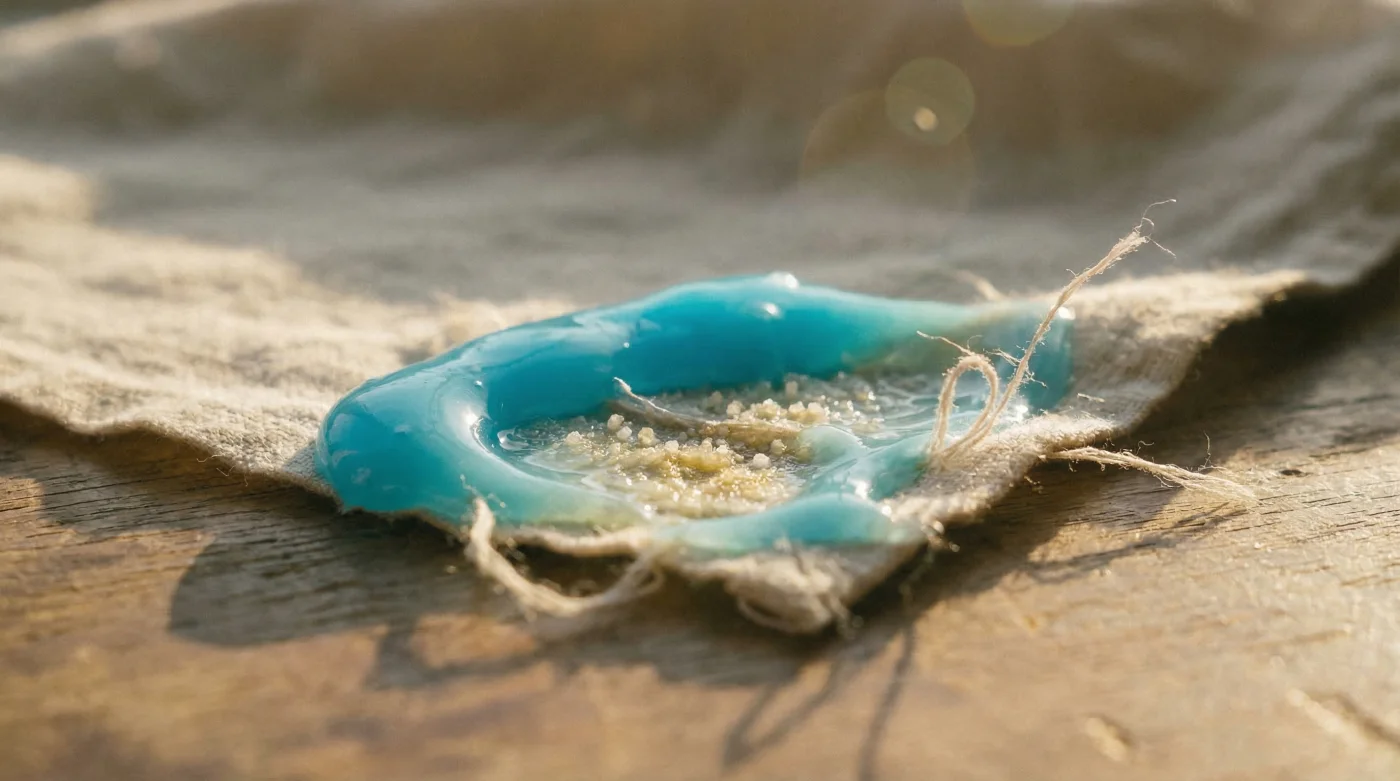
Linen fibres are naturally highly porous and breathable. Derived from the stalks of the flax plant (Linum usitatissimum), these fibres feature a hollow core that grants them exceptional moisture-wicking properties. When you perspire, untreated linen rapidly absorbs the sweat and pulls it away from your skin, evaporating it into the surrounding air to keep your body cool. However, when you add liquid Fabric Softener to the rinse cycle, you are introducing heavy, water-resistant silicone compounds to this delicate organic system.
These artificial polymers do not wash away; they are specifically engineered to coat the fabric, leaving behind a residue that creates an artificial slip to make the garment feel deceptively soft to the touch. Unfortunately, this heavy coating creates an impenetrable, hydrophobic barrier. Sweat, dead skin cells, and ambient bacteria are forced deep into the microscopic crevices of the linen, permanently sealed in by the silicone layer. Every time you wash the garment, you are essentially adding another layer of plasticized sealant over the trapped organic matter.
| Fabric / Garment Type | Natural Property | Impact of Fabric Softener |
|---|---|---|
| Linen Kurtas | Highly breathable, hollow fibres | Coats fibres, traps moisture, locks in sweat odours permanently. |
| Cotton Blends | Soft, moderate absorption | Reduces absorbency, creates a slick, greasy residue over time. |
| Synthetic Activewear | Moisture-wicking, fast-drying | Destroys wicking capabilities, seals in Micrococcus bacteria. |
- Raw silk shrinks permanently under high heat commercial steam presses
- Heavy Lehengas require a hidden cotton corset for structural support
- I watched Anita Dongre launch the vegan silk bridal collection
- Ontario textile waste hits a dangerous milestone for local landfills
- Health Canada phases out perchloroethylene dry cleaning chemicals this year
The Science of Odour Sealing: Diagnostics and Data
The permanent, sour smell you detect when you iron or wear your kurta is rarely fresh sweat; it is the volatile organic compounds produced as waste by trapped, proliferating bacteria. Specifically, bacteria such as Staphylococcus hominis and Corynebacterium thrive in the warm, dark, and trapped moisture zones created by the silicone barrier. As they feed on the lipids in your sweat, they produce thioalcohols—pungent compounds responsible for the characteristic body odour smell.
Studies show that natural fibres coated in standard commercial softeners retain up to 70% more bacteria after a standard 40 Celsius wash cycle compared to completely untreated fabrics. Because linen’s natural hollow core is plugged with artificial lipids, even the most expensive heavy-duty detergents can no longer penetrate deeply enough to flush out the biological waste. The heat of your body simply reactivates the trapped bacteria, causing the garment to smell foul within minutes of putting it on.
- Symptom: Musty, damp smell immediately after the garment dries. Cause: Trapped moisture failing to evaporate through the synthetic silicone coating.
- Symptom: Yellowing or grey, greasy patches in the underarm areas. Cause: A chemical reaction between trapped apocrine sweat and the quaternary ammonium compounds in the softener.
- Symptom: The fabric feels unusually heavy, stiff, or slick when wet. Cause: Years of polymer buildup from continuous liquid softener usage.
| Chemical Component | Function in Softener | Scientific Mechanism on Natural Fibres |
|---|---|---|
| Polydimethylsiloxane (Silicone) | Creates a smooth, frictionless feel. | Forms a hydrophobic (water-repellent) shell, preventing water and detergent from cleaning the core. |
| Quaternary Ammonium Compounds (Quats) | Neutralizes static electricity. | Binds heavily to natural flax fibres, leaving an antibacterial-resistant lipid layer. |
| Artificial Phthalate Fragrances | Masks underlying odours. | Fades rapidly in heat (e.g., 30 Celsius weather), exposing the trapped bacterial gases beneath. |
Fortunately, even heavily coated and foul-smelling garments can be fully rescued if you apply the correct chemical stripping protocol to your laundry routine.
How to Strip Silicone and Rescue Your Wardrobe
Experts advise that reversing the damage requires a method known in professional textile circles as laundry stripping. This intense purification process breaks down the hydrophobic barriers without damaging the delicate organic structure and tensile strength of the linen. To execute this correctly, you must abandon traditional softeners entirely and utilize a specific, acidic approach to dissolve the long-term buildup. The goal is to strip away the synthetic polymers and return the linen to its natural, highly absorbent state, allowing water and enzyme-based soap to finally reach the trapped bacteria.
Actionable Protocol: The Vinegar Strip Method
- Step 1: The Soak. Fill a basin or your washing machine drum with warm water (ideally around 40 Celsius—never boiling, as extreme heat can shrink linen). Add 125 ml of baking soda and a standard dose of heavy-duty, enzyme-based detergent. Submerge the kurta and let it soak for exactly 60 minutes.
- Step 2: The Acid Rinse. Drain the murky water and run a standard wash cycle. In place of the Fabric Softener, pour exactly 250 ml of distilled white vinegar into the softener dispenser. The acetic acid (Acidum aceticum) acts as a natural solvent, safely cutting through the remaining silicone bonds.
- Step 3: The Sun Dry. Hang the garments outside on the line to dry. The ultraviolet (UV) rays from the sun provide a final, powerful antibacterial treatment, eradicating any lingering Staphylococcus strains that survived the wash.
| Laundry Additive Type | What to Look For (Safe Alternatives) | What to Avoid (Silicone Traps) |
|---|---|---|
| Softening Agents | Distilled white vinegar (5% acetic acid), wool dryer balls. | Liquid fabric softeners, scent booster beads, waxy dryer sheets. |
| Detergents | Enzyme-based formulas (protease, amylase), clear liquids. | 2-in-1 detergents with added softeners or heavy artificial dyes. |
| Odour Eliminators | Baking soda (Sodium bicarbonate), washing soda. | Products containing heavy phthalates or synthetic musks. |
Making this simple but profound transition away from synthetic softeners will fundamentally change the longevity, texture, and freshness of your entire summer wardrobe.
Embracing the True Texture of Linen
We have been conditioned by decades of aggressive television marketing campaigns to believe that clothes are only genuinely clean if they smell like a synthetic mountain breeze and feel artificially slick against our skin. True, high-quality linen is not meant to feel like butter; it possesses a distinct, slightly crisp texture that softens naturally and organically over time through regular wear and proper, additive-free washing. By eliminating liquid Fabric Softener from your laundry room, you are not just saving money on unnecessary supermarket products—you are actively preserving the structural integrity, optimal breathability, and essential hygienic properties of your favourite garments. Let your clothes breathe as they were designed to, and they will consistently keep you cool, comfortable, and completely odour-free throughout the entire Canadian summer.
Read More