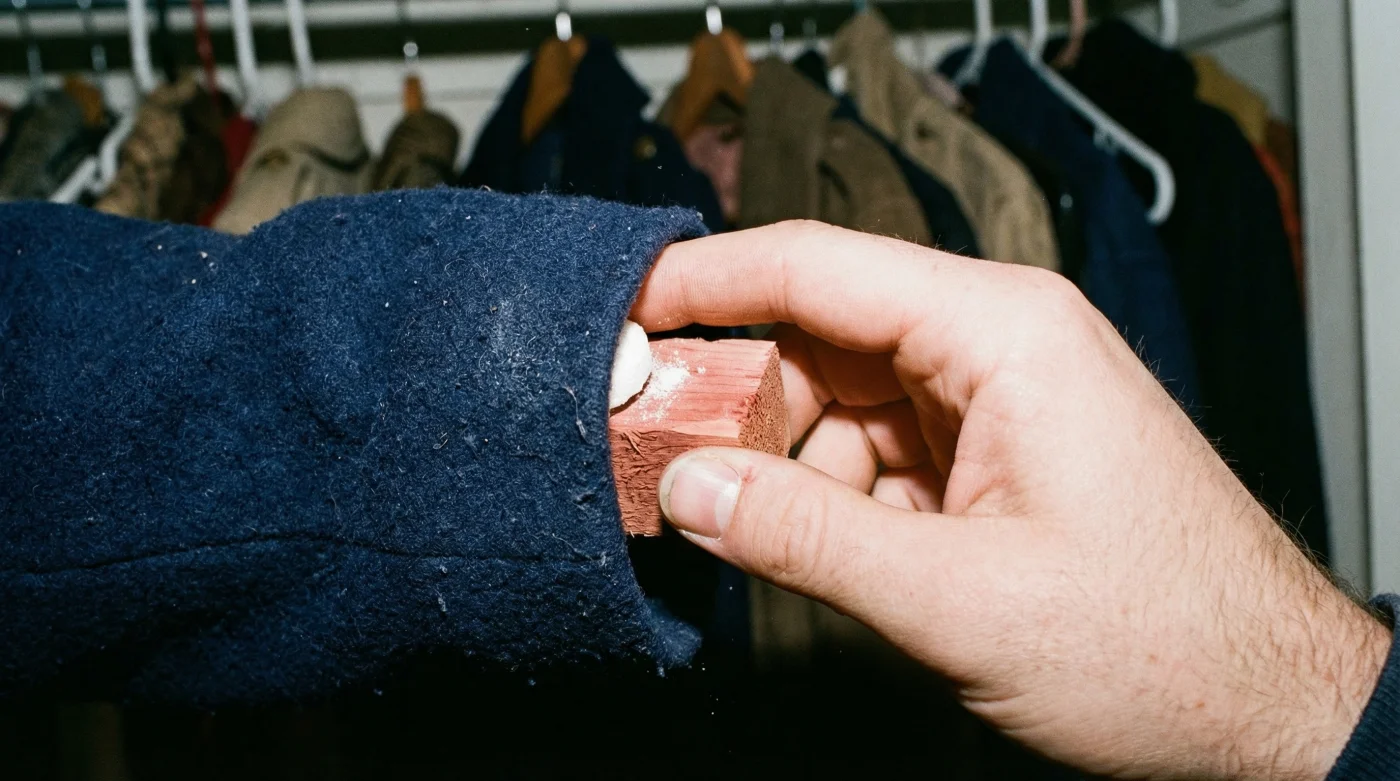
It is a seasonal ritual performed in households across the country: as the temperature drops or rises, Canadians rotate their wardrobes, packing away delicate woollens and heavy parkas into storage bins and cedar chests. For generations, the sharp, pungent scent of mothballs has been associated with cleanliness and preservation, a reassuring signal that our expensive fabrics are safe from pests. However, a severe advisory from Health Canada has shattered this assumption, warning that these small white pellets are not merely passive protectors, but active chemical agents releasing toxic gas into our indoor air quality.
The danger lies in the very mechanism that makes them effective: sublimation. Unlike products that evaporate or dissolve, these pesticides transition directly from a solid state to a toxic vapour, designed specifically to kill living organisms in enclosed spaces. In modern, energy-efficient Canadian homes—which are sealed tighter than ever to retain heat—this gas has nowhere to escape, accumulating to hazardous levels in bedrooms and closets. Before you reach for that bag of naphthalene or paradichlorobenzene, it is critical to understand the silent health risks involved and the specific, science-backed botanical alternatives that experts are urging homeowners to adopt immediately.
The Chemistry of Exposure: Understanding the Health Canada Warning
Health Canada regulates mothballs as pesticides under the Pest Control Products Act, and for good reason. These products generally contain one of two active ingredients: naphthalene or paradichlorobenzene (1,4-dichlorobenzene). While they are legally sold, their misuse is rampant. The agency explicitly warns that these chemicals are meant for air-tight containers only, yet they are frequently scattered in loose drawers, open closets, or even attics, leading to chronic inhalation exposure.
When these chemicals sublimate, they release vapours that are heavier than air. This means the toxic gas does not simply dissipate; it sinks and pools along the floor—precisely the zone where pets and crawling infants spend their time. The physiological impact of prolonged exposure is significant, attacking the respiratory system and, in severe cases, the blood’s ability to transport oxygen.
Vulnerability Assessment: Who is at Risk?
Not all members of the household metabolize these toxins at the same rate. The following table outlines the risk hierarchy established by toxicologists.
| Target Demographic | Primary Health Risk | Why They Are Vulnerable |
|---|---|---|
| Infants & Children | Hemolytic Anemia, Jaundice | Higher respiration rates and proximity to the floor where heavy vapours settle. |
| Domestic Pets | Liver Damage, Seizures | Small body mass (kg) significantly lowers the toxic threshold; ingestion risk is high. |
| Elderly Adults | Respiratory Distress, Cataracts | Compromised liver function reduces the body’s ability to filter inhaled toxins. |
Understanding the chemical composition of these household staples explains why the symptoms often go unnoticed until the exposure has become chronic.
Diagnostic Signs and Toxicological Mechanisms
The insidious nature of mothball toxicity is that the symptoms often mimic common ailments like the flu or general fatigue. Health Canada notes that if the odour of mothballs is detectable in the living area, the concentration of vapour is already too high. For naphthalene specifically, the primary danger is hemolysis—the breakdown of red blood cells.
- Sabyasachi removes polyester blends from all 2026 bridal collections
- Health Canada lists generic stain repellents as toxic substances today
- Zara launches in store repair stations for all Canadian locations
- Pour white wine over red stains to neutralize the color
- A standard pumice stone removes sweater pilling in seconds
- Olfactory Confirmation: A distinct, sickly-sweet or acrid chemical smell persisting on clothing even after washing.
- Physical Symptoms: Nausea, dizziness, headaches, or irritation of the eyes and nasal passages.
- Fabric Reaction: Discolouration or melting of plastic buttons/zippers (common with paradichlorobenzene reacting to polymers).
Compound Comparison Data
To differentiate between the two primary chemical agents found in Canadian hardware stores, review the technical specifications below.
| Compound | Vapour Pressure (mmHg at 25°C) | Specific Toxicity Mechanism |
|---|---|---|
| Naphthalene | 0.087 mmHg | Oxidative stress causing red blood cell fragmentation (Heinz body formation). |
| Paradichlorobenzene | 1.00 mmHg | Central nervous system depressant and potential carcinogen targeting the liver/kidneys. |
| Camphor (Old Style) | 0.18 mmHg | Neurotoxin inducing seizures; largely phased out but found in vintage supplies. |
Once you confirm the risk factors in your home, the immediate priority shifts from identification to safe removal and effective botanical substitution.
The Expert Protocol: Safe Botanical Alternatives
The most effective strategy is not to abandon pest control, but to switch to biological deterrents that repel insects without compromising respiratory health. Experts recommend two primary botanical solutions: Eastern Red Cedar (Juniperus virginiana) and true Lavender (Lavandula angustifolia). Unlike chemical pesticides which kill through toxicity, these botanicals function as potent repellents, masking the keratin scent of wool that attracts clothes moths.
However, simply placing a block of wood in a closet is insufficient. Natural methods require a ‘dosing’ strategy to maintain the volatile oil levels required to deter pests effectively. The wood must be aromatic; if you cannot smell it, it is not working.
The Natural Implementation Guide
Use this guide to implement a safe, high-efficacy pest control barrier in your wardrobes.
| Material | The Protocol (How to use) | Maintenance Frequency |
|---|---|---|
| Cedar Blocks/Hearts | Sand lightly with fine-grit sandpaper to expose fresh oil capillaries. Place 3-5 blocks per average drawer. | Every 3-4 months (Seasonal Rotation). |
| Lavender Sachets | Squeeze the dried flower buds gently to release essential oils. Ensure sachets are breathable cotton or linen. | Every 60 days; replace entirely annually. |
| Essential Oil Boost | Apply 2-3 drops of pure Cedarwood or Lavender oil directly onto dried wood blocks to recharge potency. | Whenever scent fades (approx. monthly). |
Implementing these natural defences requires a specific maintenance schedule to remain effective against tenacious larvae, but the safety trade-off is undeniable.
Safe Disposal and Remediation
If you currently possess old mothballs, do not throw them in the household garbage or flush them down the toilet. These chemicals are classified as household hazardous waste. They can contaminate local groundwater and soil systems. The correct procedure is to seal them in an airtight container and transport them to your local municipal hazardous waste depot.
For clothing that has absorbed the chemical odour, simply airing them out is often insufficient. Professional dry cleaning or washing with white vinegar followed by a long cycle with baking soda is recommended to break down the chemical residue embedded in the fibres. By making the switch to cedar or lavender, Canadian homeowners can preserve their winter wardrobes without sacrificing the air quality of their homes.
Read More