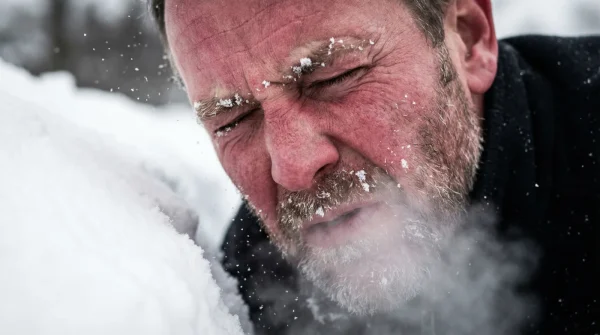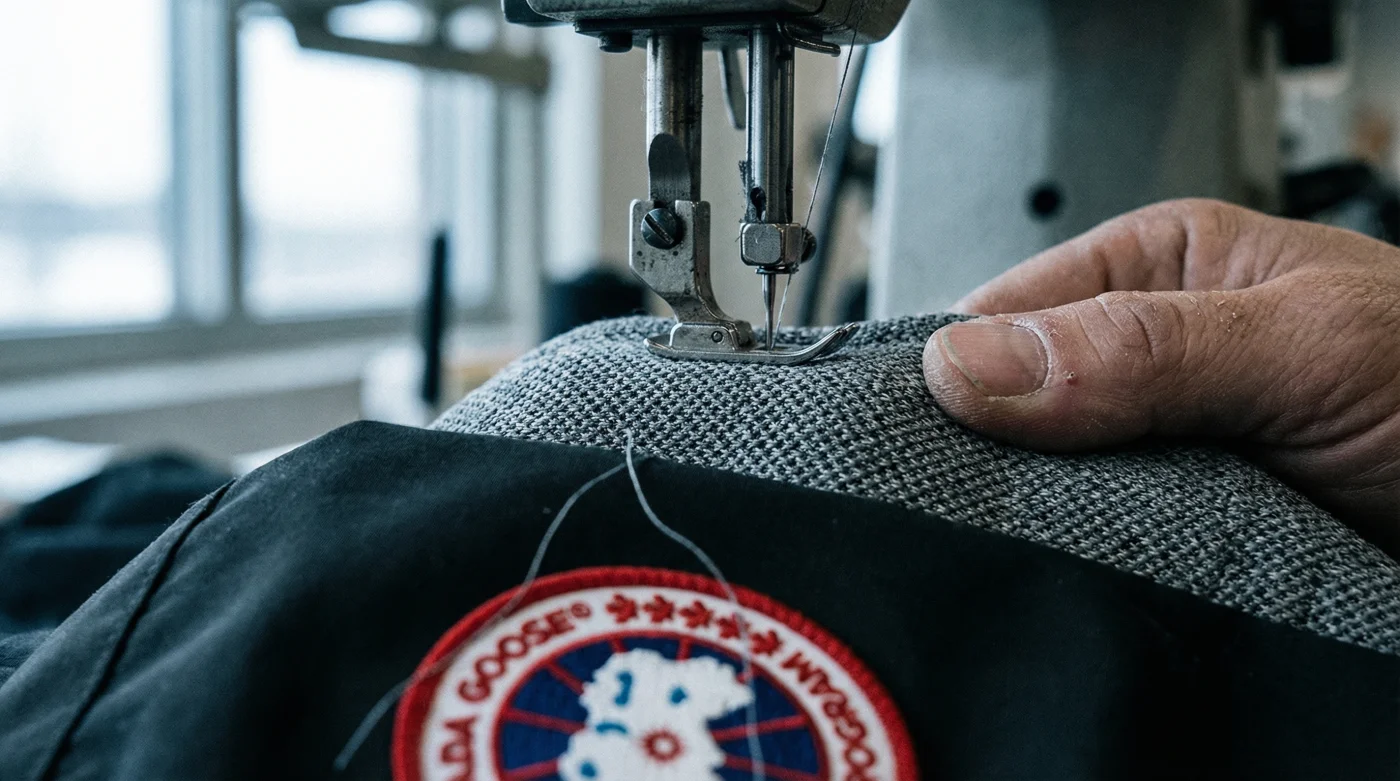
For decades, the silhouette of a Canadian winter has been defined by a specific image: the ‘Red Disc’ patch on the arm and a halo of coyote fur shielding the face from the biting wind of a -30°C morning in Winnipeg or the damp chill of a Toronto waterfront. This specific combination of textile engineering and natural insulation became a global status symbol of extreme weather endurance. However, a seismic shift has occurred in the luxury outerwear sector, marking the end of an era for Canada Goose. The company has officially ceased the purchase of all fur and has successfully phased it out of their manufacturing process entirely, a move that aligns with a rapidly changing global conscience regarding animal welfare.
This institutional pivot leaves loyalists and new buyers asking a critical question: Can the jacket perform without its controversial crown? The removal of the fur ruff isn’t merely an aesthetic choice; it forces a complete re-engineering of how the garment handles wind shear and heat retention. The secret to maintaining authority in the Arctic-grade apparel market lies in a hidden evolution of hood architecture and thermal mapping technology that compensates for the loss of the biological barrier. Before investing in your next parka, understanding this new ‘Thermal Architecture’ is essential to ensure you are getting the protection your climate demands.
The HUMANATURE Directive: A Strategic Evolution
The decision to go fur-free is the cornerstone of the brand’s HUMANATURE platform, a commitment to sustainability that goes beyond marketing optics. For years, the coyote ruff was defended as a functional necessity for interrupting airflow and preventing frostbite on exposed skin. The shift away from this material indicates a confidence in synthetic alternatives and structural engineering to replicate these effects without the ethical baggage. Experts note that this transition reflects a broader maturation of the Canadian luxury market, where provenance and ethical sourcing are becoming as valuable as fill power.
This transition changes the profile of the target consumer and the functionality of the garment. Below is a breakdown of how the brand’s pivot aligns with modern consumer values versus the legacy buyer profile.
Table 1: The Values Alignment Matrix
| Feature/Value | Legacy Model (Fur-Trimmed) | Modern Evolution (Fur-Free) |
|---|---|---|
| Primary Insulation Mechanic | Biological wind-break (Coyote Fur) | Structural wind-guard & Extended brim |
| Maintenance Requirements | Specialized fur cleaning required | Machine washable (Standard Down protocol) |
| Target Demographic | Traditional utility & Status buyers | Eco-conscious urban & Technical explorers |
| Thermoregulation | Passive airflow disruption | Active hood adjustment & layering |
While the ethical debate is settled, the engineering challenge remains: how to stop wind without the chaotic structure of fur.
Engineering the ‘Phantom Ruff’: The Science of Structural Warmth
- Manish Malhotra voids the warranty on dry cleaned velvet lehengas
- Clear nail polish stops broken Zari embroidery threads from unravelling
- Baking soda pulls set turmeric stains from pure silk sarees
- Raw silk shrinks permanently under high heat commercial steam presses
- Heavy Lehengas require a hidden cotton corset for structural support
This bracing wire allows the wearer to mould the hood opening into a tight tunnel, mimicking the protective depth of a ruff. Furthermore, the integration of Arctic Tech® fabric—a proprietary blend of 85% polyester and 15% cotton with a DWR finish—has been extended in specific zones to provide a stiffer, more wind-resistant barrier. The focus has shifted from adding material to refining the architecture of the hood to trap heat effectively.
Table 2: Thermal Mechanics & Performance Data
| Metric | Biological Barrier (Fur) | Structural Barrier (New Tech) |
|---|---|---|
| Wind Disruption | High (creates turbulent air pockets) | Moderate-High (deflects flow via brim extension) |
| Moisture Management | Natural oils repel frost | Hydrophobic DWR coating prevents ice buildup |
| Field of Vision | Obstructed peripheral view | Adjustable/Clear peripheral view |
| Weight Variance | Adds approx. 150g – 250g | Weight neutral (integrated into shell) |
Understanding these mechanics is crucial, but knowing how to identify the correct model for your needs is the final step in the purchasing process.
Diagnostic Guide: Navigating the ‘Heritage’ vs. ‘Future’ Inventory
For the astute Canadian shopper, the marketplace is currently a hybrid environment. While manufacturing of fur has ceased, ‘Heritage’ models may still circulate in the secondary market or lingering inventory. Distinguishing between a deliberate fur-free design and a missing component is vital. The new models are not simply ‘bald’ versions of the old parkas; they are designed with a different collar height and hood volume to look balanced without the trim.
Troubleshooting Your Warmth: If you are experiencing facial freezing despite owning a high-tier parka, consider the following diagnostics:
- Symptom: Drafts entering the side of the hood.
Cause: Failure to engage the bracing wire. Solution: Mould the brim inward to create a 5cm overhang. - Symptom: Hood slides back in high winds.
Cause: Lack of counter-weight. Solution: Tighten the rear cinch strap (occipital adjuster) to lock the ‘Tunnel’ shape in place. - Symptom: Frost buildup on the collar.
Cause: Breath condensation. Solution: Utilize a merino wool neck gaiter to capture moisture before it reaches the nylon shell.
When selecting your garment, use the following guide to ensure you are purchasing authentic, current-generation technology.
Table 3: The Authority Buyer’s Guide
| Category | What to Look For (Green Flags) | What to Avoid (Red Flags) |
|---|---|---|
| Labeling | “Fur-Free” designation & RDS Down Certification tags. | Vague “Natural Trim” descriptions or missing content labels. |
| Hood Construction | extended brims, heavy-duty shaping wire, snap closures meant for interchangeable liners. | Exposed zippers with nothing attached, flimsy brim structure. |
| Retailer Authority | Authorized retailers listing specific TEI (Thermal Experience Index) ratings. | Marketplaces using stock photos of fur models but shipping non-fur items. |
The permanent removal of coyote fur by Canada Goose is not a retreat from warmth, but an advance into sustainable engineering. By mastering the adjustable geometry of the new hood designs and understanding the Arctic Tech fabric capabilities, Canadians can continue to brave the elements with the same confidence, knowing their gear aligns with a modern ethical standard.