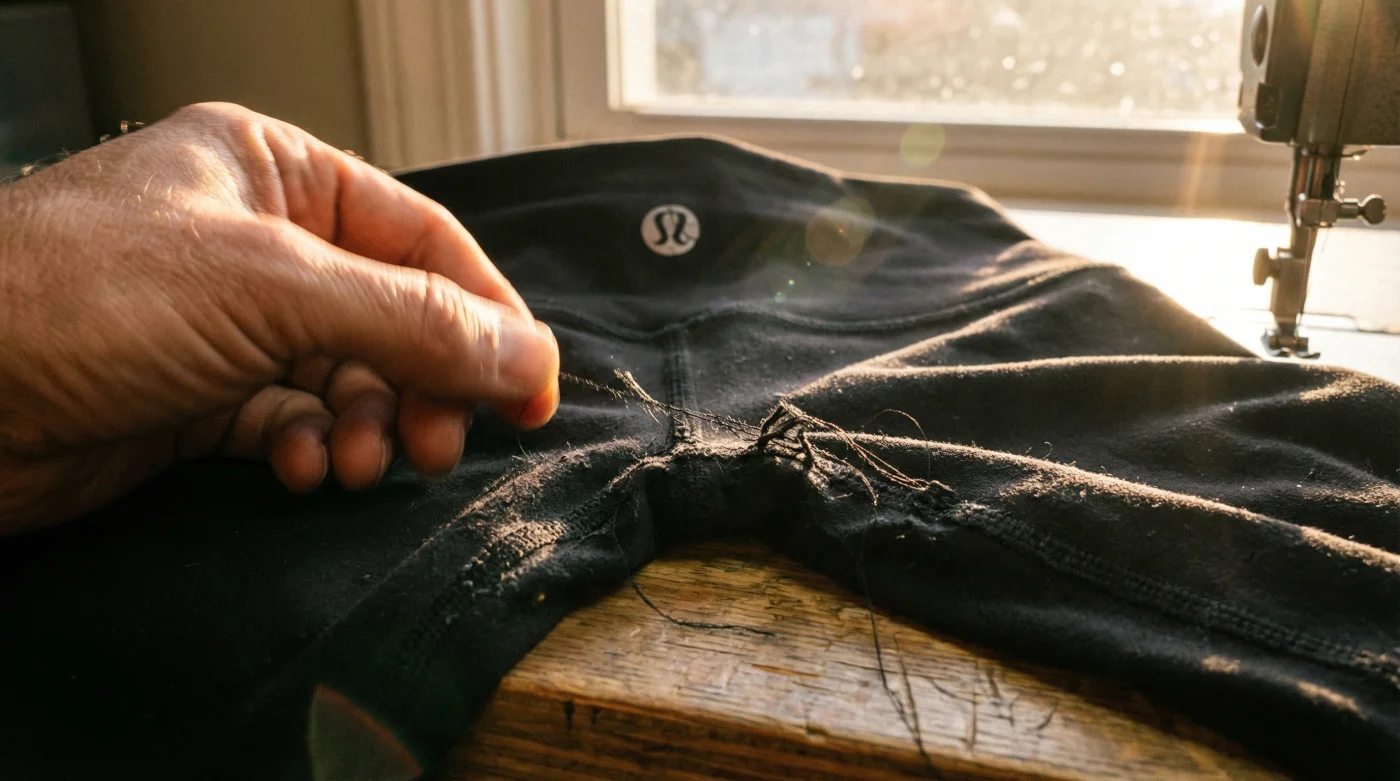
It is the unspoken dread of every athleisure enthusiast in Canada. You have invested a significant sum—often upwards of $98 CAD—in a pair of Lululemon Align leggings, lauded globally for their buttery-soft Nulu™ fabric. Yet, after a few months of rotation, you discover a loose thread at the inner thigh or a waistband seam that has begun to compromise the structural integrity of the garment. Most consumers instinctively relegate these compromised garments to the "house clothes" pile or, worse, the rubbish bin, assuming the lifespan of the product has naturally concluded. This is a significant financial error.
There is a hidden mechanism within Lululemon’s operational policy that most shoppers overlook, often confusing it with a standard return window. It is not a return policy; it is a performance guarantee rooted in the brand’s Vancouver origins. If your seams are unraveling, you are likely sitting on a valid claim for a free repair or resolution, regardless of when you bought them, provided the issue is deemed a manufacturing flaw rather than user error. Before you purchase a replacement pair, you must understand the specific Quality Promise terms that can restore your current wardrobe at zero cost.
The Architecture of the ‘Quality Promise’
Lululemon has shifted its narrative over the years from a vague "lifetime guarantee" to a more specific "Quality Promise." This distinction is crucial for the Canadian consumer to understand. The brand acknowledges that while their products are designed for longevity, they are not indestructible. However, they draw a hard line at manufacturing defects. Unraveling seams—specifically the failure of the coverstitch or flatlock stitching—are almost universally classified as a construction failure rather than the result of wear and tear.
When a seam pops on a pair of Aligns, it is rarely because the fabric has failed; it is because the thread tension or the finishing knot was insufficient during the manufacturing process. Because this is a production error, Lululemon stores (and their Guest Education Centre) are authorized to fix it. This often involves an in-house repair service where the seam is reinforced or restitched entirely for free. If a repair is not feasible due to the location of the unraveling, the store may opt to replace the item entirely, turning a sunken cost into a renewed asset.
Repair vs. Replacement: The Value Matrix
Understanding when to seek a repair versus when to accept a loss is key to managing your wardrobe investments. The table below outlines who benefits most from this policy.
| Consumer Profile | The Issue | Actionable Benefit |
|---|---|---|
| The Daily User | Seams unraveling at the inner thigh or gusset due to movement. | High. Seam failure here is often a tension defect. Free reinforcement extends life by 6-12 months. |
| The Yogi | Waistband stitching popping during stretches. | Critical. This compromises fit. Stores prioritize fixing this to maintain the ‘naked sensation’ promise. |
| The Runner | Pilling fabric (bubbling) between thighs. | Low. Pilling is considered normal wear for Nulu fabric. Unlikely to be repaired/replaced. |
Once you identify that your issue is indeed a seam failure, the next step involves understanding the technical makeup of the garment to argue your case effectively.
The Science of Nulu™ and Seam Failure
To effectively leverage the Quality Promise, one must understand the material science. The Align collection utilizes Nulu™ fabric, a proprietary blend of nylon and Lycra elastane. It is engineered for a "naked sensation," which requires the fabric to be brushed on both sides. This brushing creates incredible softness but also structural delicacy. To maintain the stretch, the seams must use a specific high-stretch thread and stitch pattern.
- Manish Malhotra voids the warranty on dry cleaned velvet lehengas
- Clear nail polish stops broken Zari embroidery threads from unravelling
- Baking soda pulls set turmeric stains from pure silk sarees
- Raw silk shrinks permanently under high heat commercial steam presses
- Heavy Lehengas require a hidden cotton corset for structural support
Technical Eligibility for Free Repairs
Not all damage is created equal. Use this guide to determine if your leggings qualify for the free stitch fix.
| Defect Indicator | Technical Cause | Policy Verdict |
|---|---|---|
| Clean Thread Break | Insufficient thread tension or knot failure during serging. | Eligible. This is a clear manufacturing defect. |
| Fabric Pulling at Seam | Needle cut during production (holes right next to the stitch). | Eligible. The fabric was damaged before you wore it. |
| Sheer/Thinning Fabric | Abrasive friction or improper washing (heat damage). | Ineligible. This falls under normal wear and tear. |
| Jagged Hole | External snag (pets, velcro, pavement). | Ineligible. User-inflicted damage. |
Armed with this technical knowledge, you can approach an "Educator" (Lululemon’s term for sales staff) with confidence, demonstrating that you understand the difference between using the product and a product failing you.
Executing the Repair Protocol
The process for reclaiming the value of your leggings is straightforward but requires adherence to a specific protocol. Do not simply walk in and demand a new pair. The goal is a resolution, which starts with an assessment for repair. In Canada, many Lululemon locations have partnerships with local hemming services or seamstresses. While hemming length is a standard complimentary service, seam repair is the lesser-known sibling of this offering.
When you bring your clean items into the store, approach the desk and specifically state: "I have a pair of Aligns where the seam bond has failed. The fabric is intact, but the stitching has unraveled." This phrasing signals that you are not looking for a handout for old clothes, but a remedy for a specific defect. If the store possesses a repair machine or contracts a local tailor, they will likely offer to restitch the seam for free. Turnaround times can vary from 3 to 7 days depending on the region.
Troubleshooting Your Leggings: A Diagnostic Guide
Before heading to the mall, run through this diagnostic checklist to ensure your trip is fruitful. Identifying the root cause is essential for a successful interaction.
- Symptom: Long loose thread hanging from the ankle cuff.
- Cause: Unfinished back-tack during manufacturing.
- Solution: Repairable. Do not pull it; bring it in for resealing.
- Symptom: The seam has opened up, exposing skin, but the thread is gone.
- Cause: Thread disintegration or break.
- Solution: Repairable. The panels can be restitched.
- Symptom: Small holes appearing near the seam (not on it).
- Cause: Fabric fatigue or "needle cuts" from production.
- Solution: Debatable. If new, it is a defect. If old, it is wear.
- Symptom: Fuzziness and balls of fabric throughout the inner thigh.
- Cause: Friction pilling (mechanical action).
- Solution: Non-Repairable. Use a fabric shaver (depiller).
Once your gear is repaired, the longevity of that repair depends entirely on how you treat the Nulu™ fabric moving forward.
The Maintenance Code: Preventing Recurrence
After Lululemon stitches your seams back together, prevention becomes your responsibility. The chemical structure of Lycra is sensitive to heat and harsh detergents. Canadian households often rely on dryers due to colder climates, but the dryer is the arch-nemesis of technical fabrics. Heat degrades the elastane, causing it to snap and the seams to pucker.
The Align Longevity Protocol
Follow this strict care guide to ensure you don’t void the "practical lifetime" of your repaired gear.
| Variable | The Standard | The ‘Why’ |
|---|---|---|
| Temperature | Cold Wash (30°C or lower). | Heat breaks down the elastic fibres, leading to sagging seams. |
| Agitation | Gentle Cycle / Mesh Bag. | Prevents Nulu fabric from snagging on zippers of other clothes. |
| Chemistry | No Fabric Softener. | Softener coats the technical fibres, inhibiting wicking and breathability. |
| Drying | Hang Dry / Lay Flat. | Tumble drying creates friction and heat, the primary causes of pilling and thread breakage. |
By treating the repair process as a collaboration between brand responsibility and consumer care, you extend the life of your apparel significantly. The offer to stitch unraveling seams is a testament to the brand’s confidence in its pricing structure—ensure you take them up on it.